[Biblia]
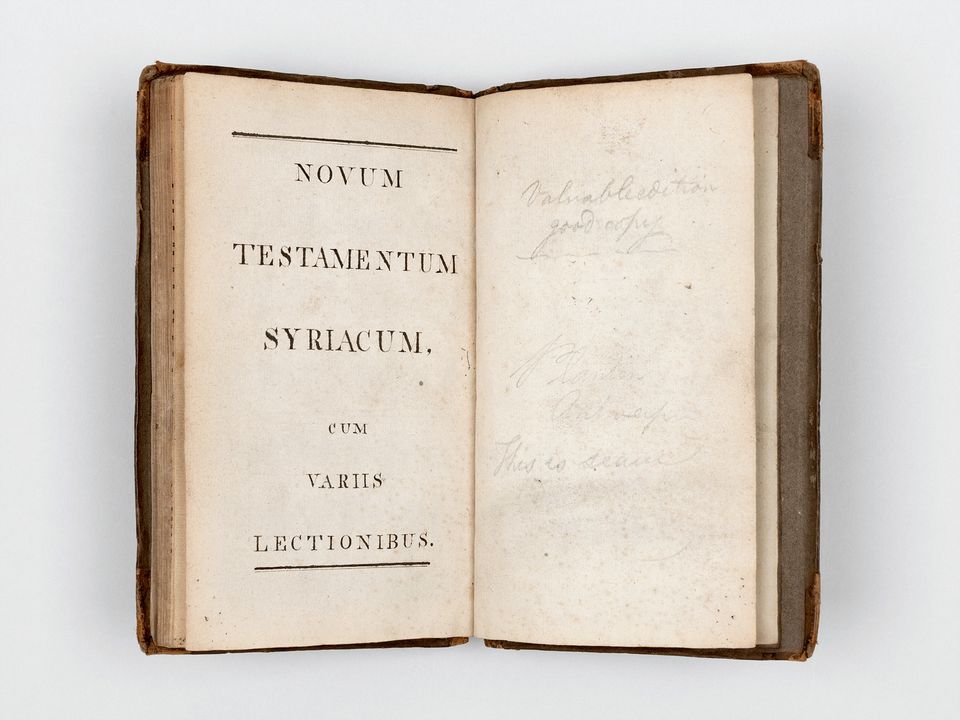
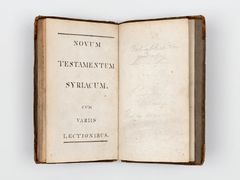
Novum Testamentum Syriacum cum variis lectionibus.
o.Vlg., o.Ort, [um 1800]
An uncommon and unrecorded edition of the New Testament in Syriac.
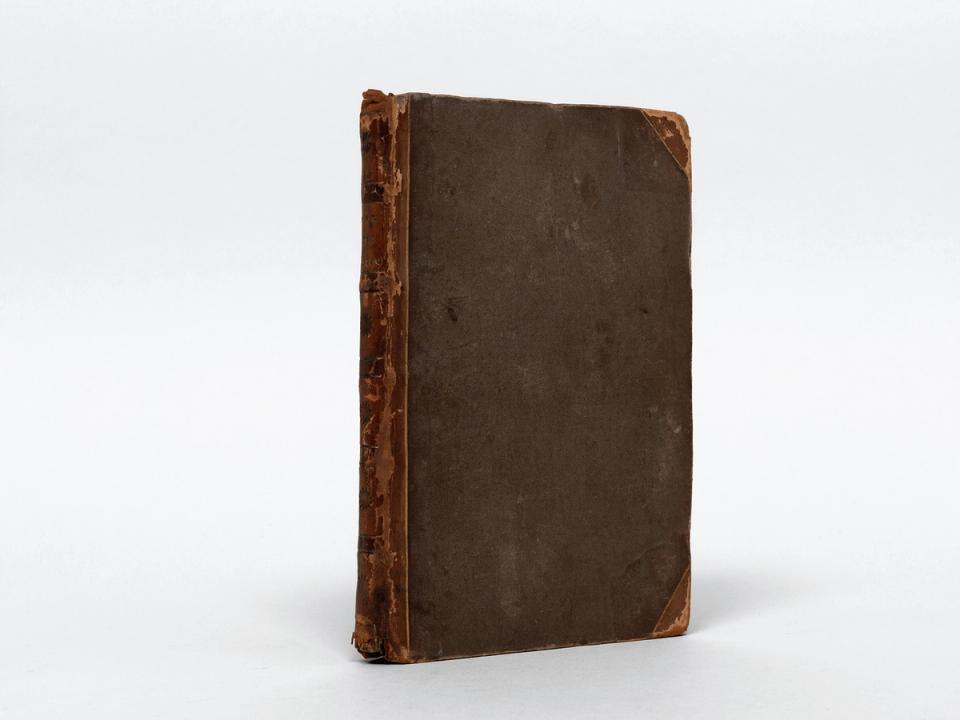
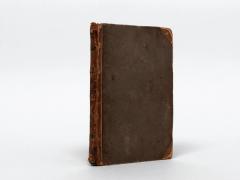
Description: Contemporary half calf over paper covered boards, lettered in blind to the spine. Sextodecimo: 17 × 11 cm; pp. 121, [6].
Ref.: No evidence corresponding to or similar to this edition can be found in the archives, catalogues or digital databases available to us.
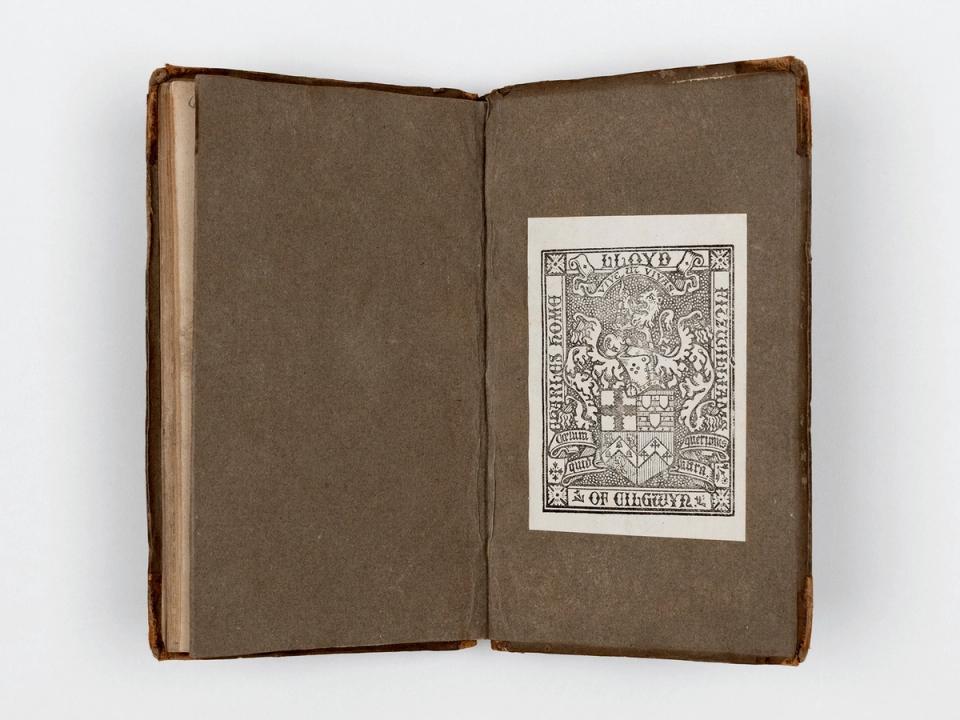
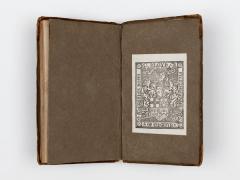
Provenance: Bookplate of Charles Home Lloyd Fitzwilliams (1843–1925) to front pastedown. Older, handwritten note in pencil on front free endpaper facing title page: “Valuable edition, good copy, [three words illegible], this is scarce”.
Condition: Binding a bit scuffed, spine ends a bit worn. Faint marginal toning to contents.
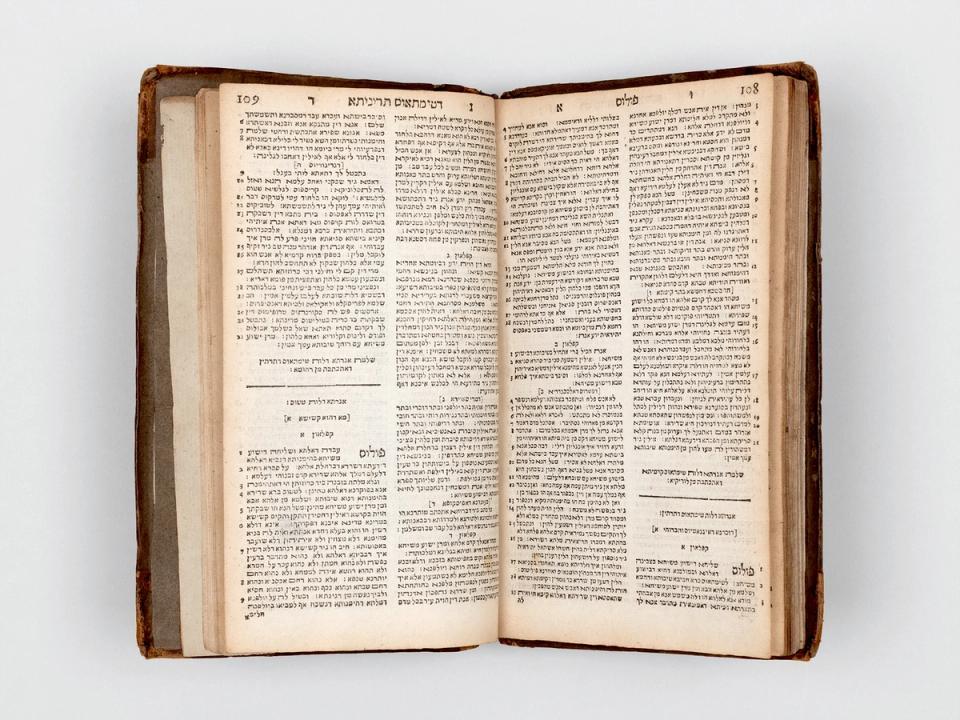
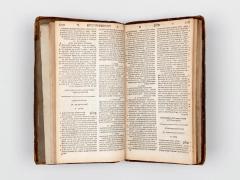
Notes: This small volume contains a print of the Peshitta, the standard Syriac version of the New Testament. The Latin title and format suggest that this is a European publication from the early nineteenth century, a period of renewed interest in Oriental languages and culture. The text is arranged in double columns and is read from right to left. The plain binding and modest paper quality suggest that the book was intended to be used as a practical resource by scholars and students of biblical languages and early Christian history.